

The True Cost of Closing a Pharmacy for One Day
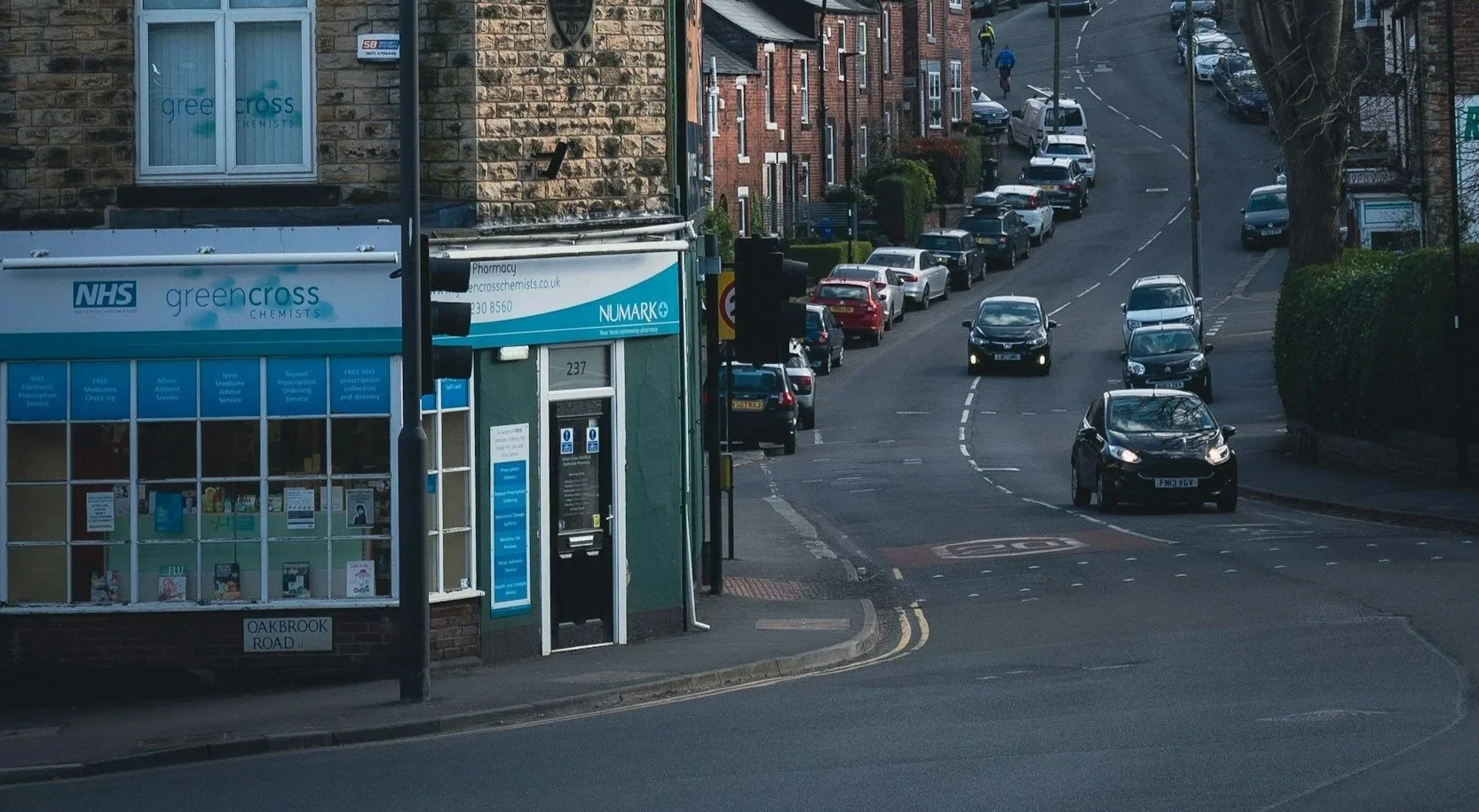
Closing a community pharmacy for a single day may appear to be a short term operational decision. In reality, even one unexpected closure can have financial, contractual and reputational consequences.
For independent contractors especially, understanding the true cost of closure is essential when weighing up whether to secure locum cover.
This article explains the financial impact, regulatory considerations and longer term risks of closing for one day under UK pharmacy regulations.
When Does Pharmacy Closure Become an Issue?
Under NHS Terms of Service, pharmacy contractors are required to provide pharmaceutical services during their agreed opening hours.
If a responsible pharmacist is not present, the pharmacy cannot lawfully provide the full range of NHS pharmaceutical services.
Unexpected closure most commonly occurs due to:
• Last minute pharmacist sickness
• Inability to secure locum cover
• Recruitment gaps
• Emergency situations
Even where the closure is unavoidable, the consequences can extend beyond the immediate day.
The Direct Financial Impact
The most obvious cost is loss of trading income.
For a typical community pharmacy, one day of closure may mean loss of:
• NHS prescription volume
• Retail sales
• Over the counter medicine sales
• Private service income
• Vaccination or clinical service income
While the exact figure varies by location and prescription volume, the daily turnover of an average pharmacy can be significant. Losing even one trading day may exceed the cost of securing locum cover.
In addition, patients may take prescriptions elsewhere, resulting in longer term loss of dispensing volume.
NHS Contractual Risk
Contractors are expected to open during contracted hours unless prior agreement has been obtained.
Unplanned closures may lead to:
• Requirement to notify the commissioner
• Potential investigation
• Contractual breach concerns
• Financial clawback in some circumstances
While commissioners recognise genuine emergencies, repeated closures may attract increased scrutiny.
Maintaining reliable cover protects compliance with NHS obligations.
Reputational Damage
Pharmacies operate within close knit communities. A closed door during advertised opening hours can quickly affect patient perception.
Possible consequences include:
• Loss of patient trust
• Social media complaints
• Transfer of nominations to competitors
• Reduced footfall
Once a patient moves their prescriptions elsewhere, it can be difficult to recover that business.
Operational Disruption
Even a one day closure can create backlog pressure.
On reopening, the pharmacy may face:
• Increased dispensing workload
• Delayed prescriptions
• Patient dissatisfaction
• Staff stress
This can impact team morale and increase risk of dispensing errors if not managed carefully.
Comparing Closure Versus Locum Cover
When assessing cost, contractors should compare:
• Estimated daily revenue
• Potential NHS impact
• Reputational risk
• Operational backlog
• Locum hourly rate and total paid hours
In many cases, the cost of hiring a locum pharmacist for one day is lower than the combined financial and reputational cost of closing.
Forward planning often provides better financial protection than reactive closure.
Reducing the Risk of Closure
Pharmacies can minimise risk by:
• Booking annual leave cover in advance
• Maintaining relationships with reliable locums
• Planning for seasonal demand
• Having contingency contacts in place
Working with a structured staffing partner such as Pharm-Assist can further reduce risk by:
• Supporting forward planning
• Assisting with urgent cover requests
• Confirming agreed rates and paid hours clearly
• Acting as a single communication channel
This reduces administrative pressure and improves response time when cover is needed quickly.
Final Thoughts
Closing a pharmacy for one day is rarely a simple cost saving decision. The true impact includes lost revenue, contractual risk, reputational damage and operational disruption.
For many independent contractors, securing compliant locum cover is not simply an expense. It is a protective measure for the stability and reputation of the business.
If you are reviewing your staffing resilience, Pharm-Assist supports pharmacies across the UK with structured and transparent locum cover to help reduce the risk of unexpected closure.